Top 5 Signs You Need a Root Canal (And Why It Doesn't Have to Hurt)
By Dr. Lynn | GH Goh Dental Surgery, Singapore
Tooth pain has a way of arriving at the worst possible moment, mid-meal, during a work meeting, or in the middle of the night when everything feels worse.
If any of that sounds familiar, your tooth may be trying to tell you something important. In this article, I want to walk you through the five most telling signs that you might need a root canal, and more importantly, why the procedure itself is far less frightening than its reputation suggests.
First, a Quick Look Inside Your Tooth
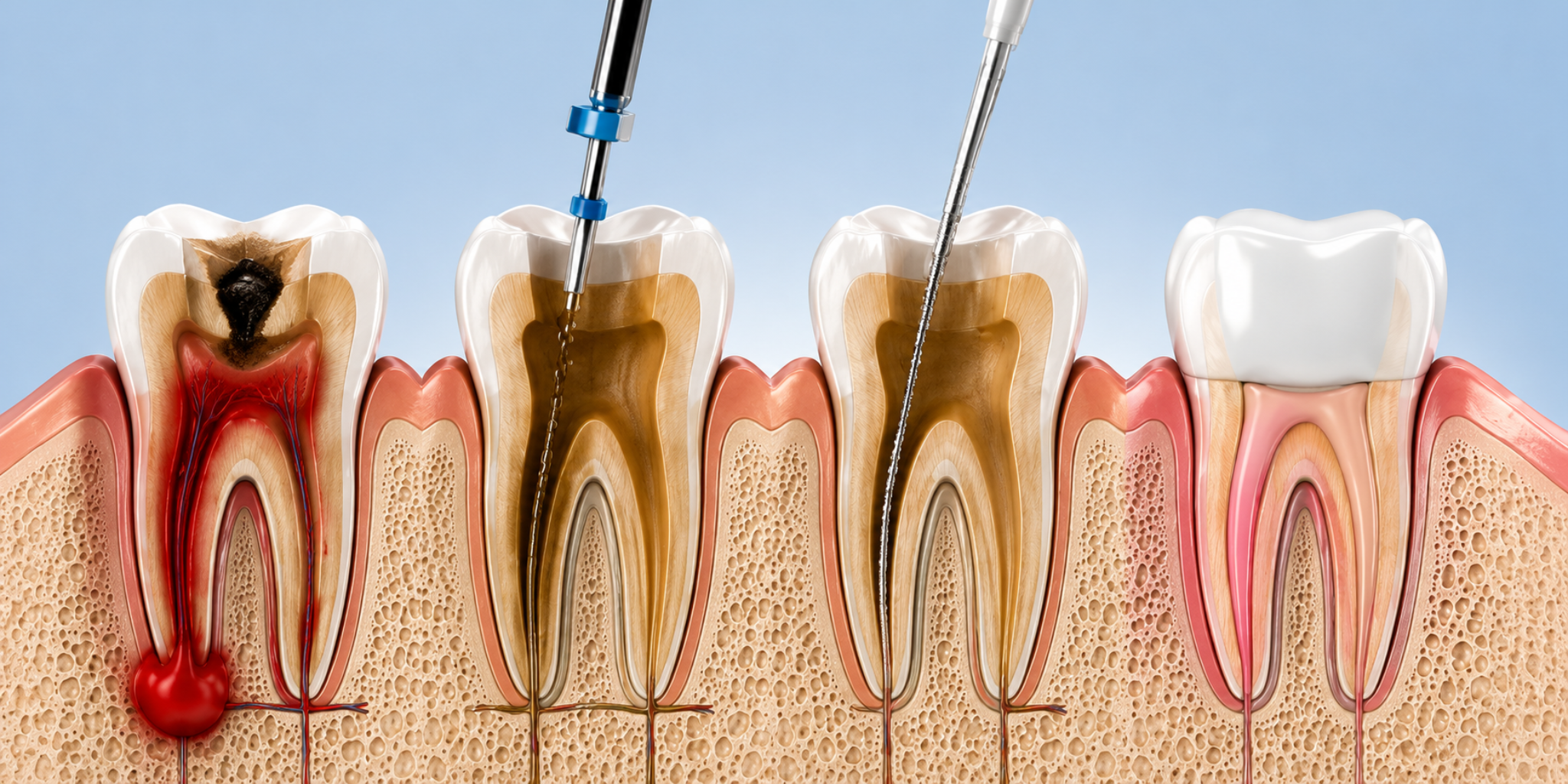
At the centre of every tooth lies a soft tissue called the pulp, a delicate system of nerves, blood vessels, and connective tissue. When this pulp becomes deeply infected or inflamed due to severe decay, a crack, repeated dental work, or injury, the tooth begins to send out distress signals.
Recognising those signals early is the key to saving the tooth. Here are the five most common ones:
Sign 1: Spontaneous, Throbbing Pain That Won't Let Up

Normal tooth sensitivity tends to be brief and triggered by something specific. Root canal pain is different, it is persistent, deep, and often arrives without any obvious trigger.
Many patients describe it as a dull, radiating ache that worsens significantly when lying down at night. This happens because blood pressure shifts toward the head in a horizontal position, increasing pressure inside the already-inflamed tooth. If you are reaching for pain relief around the clock just to get through your day, your tooth’s nerve is almost certainly under serious stress.
⚠ When is it urgent? If the pain is disrupting your sleep or preventing you from eating, do not wait — contact us for an assessment as soon as possible.Sign 2: Sensitivity to Hot or Cold That Lingers
A brief twinge when you bite into ice cream or sip a hot drink is completely normal. What is not normal is when that sensation refuses to fade, lasting minutes or even hours after the temperature source is gone.
This prolonged reaction is a strong indicator that the nerve inside the tooth has been damaged beyond the point of recovery. The dull, radiating ache that follows a hot or cold trigger suggests the pulp is actively deteriorating.
💡 Tip: If sensitivity to cold persists for more than 30 seconds after removing the source, it is time to book a dental evaluation.
Sign 3: Gum Swelling, Tenderness, or a Small Bump on the Gum
An untreated infection inside the tooth will always look for an escape route. As bacteria multiply and travel down the root tip, the surrounding bone and gum tissue begin to respond.
You may notice:
- Redness or swelling near the affected tooth
- A small pimple-like bump on the gum (known as a fistula or abscess drainage tract)
- Periodic discharge from that bump, leaving a bitter or unpleasant taste
In Singapore’s warm and humid climate, combined with the high sugar content in many local foods and beverages, dental infections like these are unfortunately quite common. If you spot any swelling or an unusual bump on your gums, please do not ignore it.
⚠ When is it urgent? A persistent bump on the gum is always worth a professional evaluation — it rarely resolves on its own.
Sign 4: A Tooth That Is Turning Darker
If one tooth has begun to look noticeably darker, greyer, or more discoloured compared to the teeth around it, this is often a sign that the internal nerve is dying, or has already died.
Think of it as a bruise forming from the inside out. When the pulp undergoes trauma or severe infection, the blood supply breaks down and begins to stain the surrounding dentine. Teeth-whitening treatments address surface stains only, internal discolouration like this requires treating the underlying cause from within the tooth itself.
💡 Tip: A single discoloured tooth that was not always that way is worth mentioning to your dentist, even if it is not currently causing pain.
Sign 5: Pain When Biting Down or Applying Pressure
If it hurts every time your upper and lower teeth meet, or if you have started instinctively chewing only on one side of your mouth, the periodontal ligament surrounding the root tip is likely severely inflamed.
When an infection spreads beyond the root itself, the bone supporting the tooth becomes acutely sensitive to any pressure, even a gentle tap during an examination can reproduce this specific discomfort.
That unconscious habit of avoiding one side of your mouth is your body’s protective response. It is worth listening to.
Why Modern Root Canals Do Not Have to Hurt
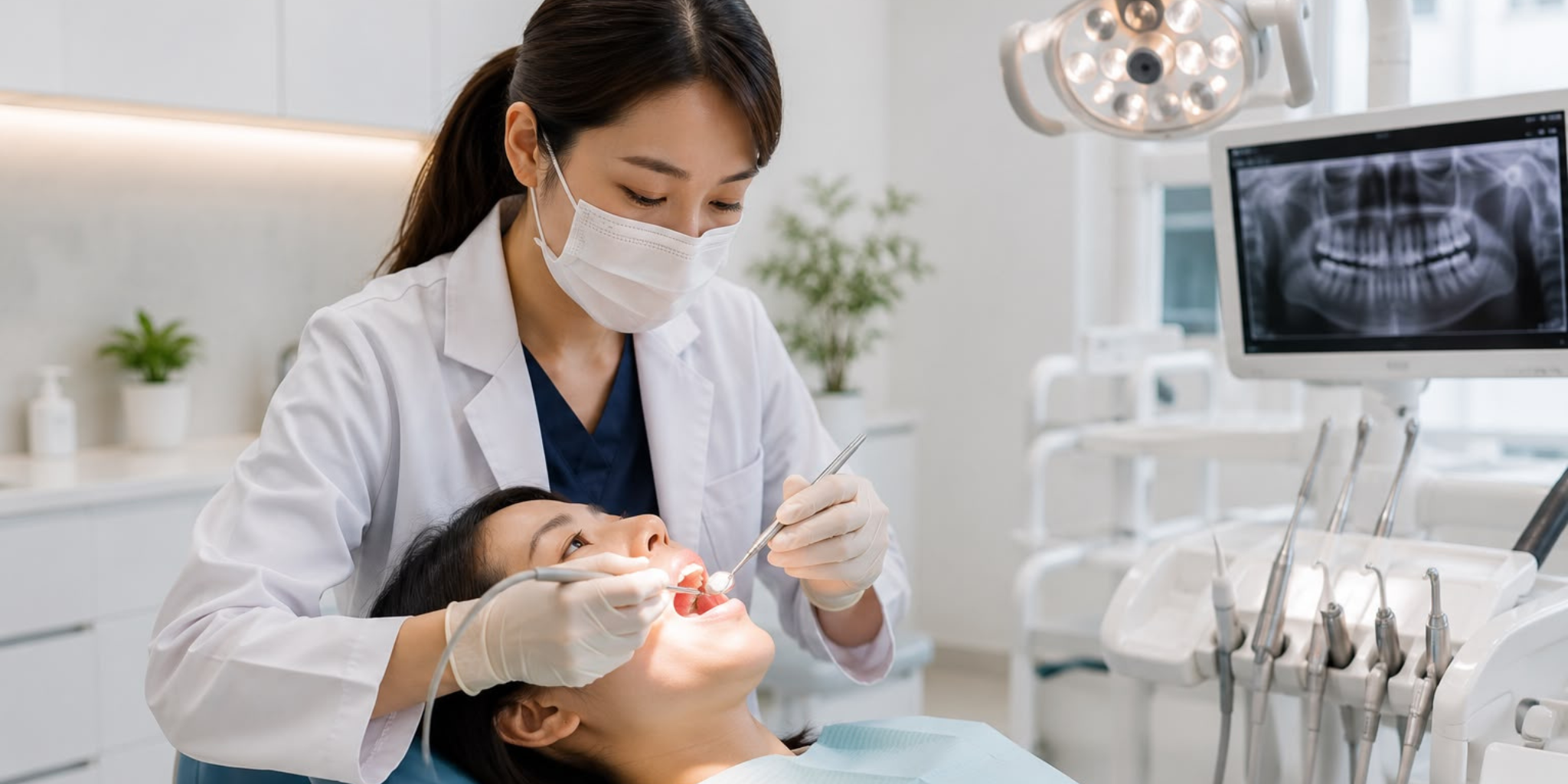
Now let’s talk about the thing most people are actually worried about: the procedure itself. If your understanding of root canals comes from stories you heard years ago, I completely understand the apprehension. But dental technology and anaesthesia have come a very long way since then.
Complete Numbness Before We Begin
We do not start any treatment until you are entirely comfortable and fully numb. Modern local anaesthetics are remarkably effective at blocking pain pathways. Most patients are surprised to find that a root canal feels very similar to getting a routine filling — you will feel pressure and movement, but not sharp pain. If you ever feel discomfort, simply raise your hand and we will adjust immediately.
Advanced Technology Makes It Faster and More Precise
We use digital X-rays and electronic apex locators to map the precise anatomy of your root canals before we begin. Flexible, nickel-titanium rotary instruments then navigate the natural curves of each canal smoothly and efficiently. The result is a procedure that is quicker, cleaner, and far more predictable than it once was.
The Procedure Ends the Pain — It Does Not Start It
This is the most important point I can make: a root canal does not cause pain. It relieves it. The throbbing aches, the sleepless nights, the constant sensitivity — all of that is caused by the infection pressing against the nerve inside the tooth. By carefully removing the damaged tissue, disinfecting the canal, and sealing the space, we eliminate the source of the infection entirely. The majority of patients leave the clinic feeling an immediate sense of relief.
The Procedure Ends the Pain — It Does Not Start It
Some mild tenderness or bruised sensation around the tooth for two to three days afterwards is completely normal — your body is simply healing. This level of discomfort is easily managed with standard over-the-counter pain relief such as ibuprofen. Within a few days, the tooth should feel entirely normal.
Frequently Asked Questions
- How many appointments will I need?
Most cases are completed in one to two sessions, depending on the complexity of the infection and the anatomy of the root canals involved.
- Is root canal treatment covered by CHAS or Medisave?
At GH Goh Dental Surgery, we accept CHAS, Pioneer Generation, and Merdeka Generation subsidies. Root canal treatment may also be claimable under Medisave. Please contact us directly and we will be happy to walk you through what is applicable to your situation.
- Is it better to extract the tooth instead?
Wherever possible, we strongly recommend saving the natural tooth. Natural teeth preserve jawbone density, maintain your bite alignment, and avoid the additional cost and complexity of implants or bridges down the line. A root canal is almost always the better long-term investment.
- Can I eat before my appointment?
Yes, there are no dietary restrictions before a root canal. If you are currently in pain, a standard dose of over-the-counter pain relief before your appointment is perfectly fine.
A Final Word from Dr. Lynn
Your natural teeth are always worth fighting for. They anchor your jawbone, define your bite, and let you enjoy your favourite foods without restriction. A root canal is one of the most effective tools we have for rescuing a tooth that might otherwise be lost.
If you recognise any of the five signs we have covered today, please do not let fear be the reason you delay treatment. Dental infections do not resolve on their own — and the earlier we address the problem, the simpler and more comfortable the solution.
We are here to make your experience as smooth, comfortable, and stress-free as possible. Your smile is in good hands.
Keep brushing, keep flossing, and never hesitate to reach out.
— Dr. Lynn, GH Goh Dental Surgery
Ready to Take the Next Step?
If you are experiencing any of the symptoms above, we would love to help. Book a consultation with us today, we are here for you and your whole family.
📍 161 Bukit Merah Central, Singapore
📞 +65 6273 3133
💬 WhatsApp us to book your appointment
@gh.goh.dental