How to Prevent Cavities: Daily Habits for Healthy Teeth
By Dr. Lynn | GH Goh Dental Surgery, Singapore
One of the most common things patients ask me is:
“What can I actually do every day to prevent cavities?”
The good news is that preventing tooth decay does not usually require complicated routines.
Much of it comes down to the habits you repeat every day: how you brush, whether you clean between your teeth, how often you consume sugary foods and drinks, and whether you attend regular dental examinations.
Cavities, or dental caries, develop when bacteria in plaque use sugars from food and drinks to produce acids that gradually damage the tooth surface. Over time, this can lead to a cavity. The earlier we take steps to reduce these risks, the better chance we have of keeping your natural teeth healthy for longer.
In this article, I’ll share some of the daily habits I recommend to help prevent cavities and explain why preventive dental care is just as important as treating problems once they appear.
What Causes Cavities?
Before talking about prevention, it helps to understand what we are trying to prevent.
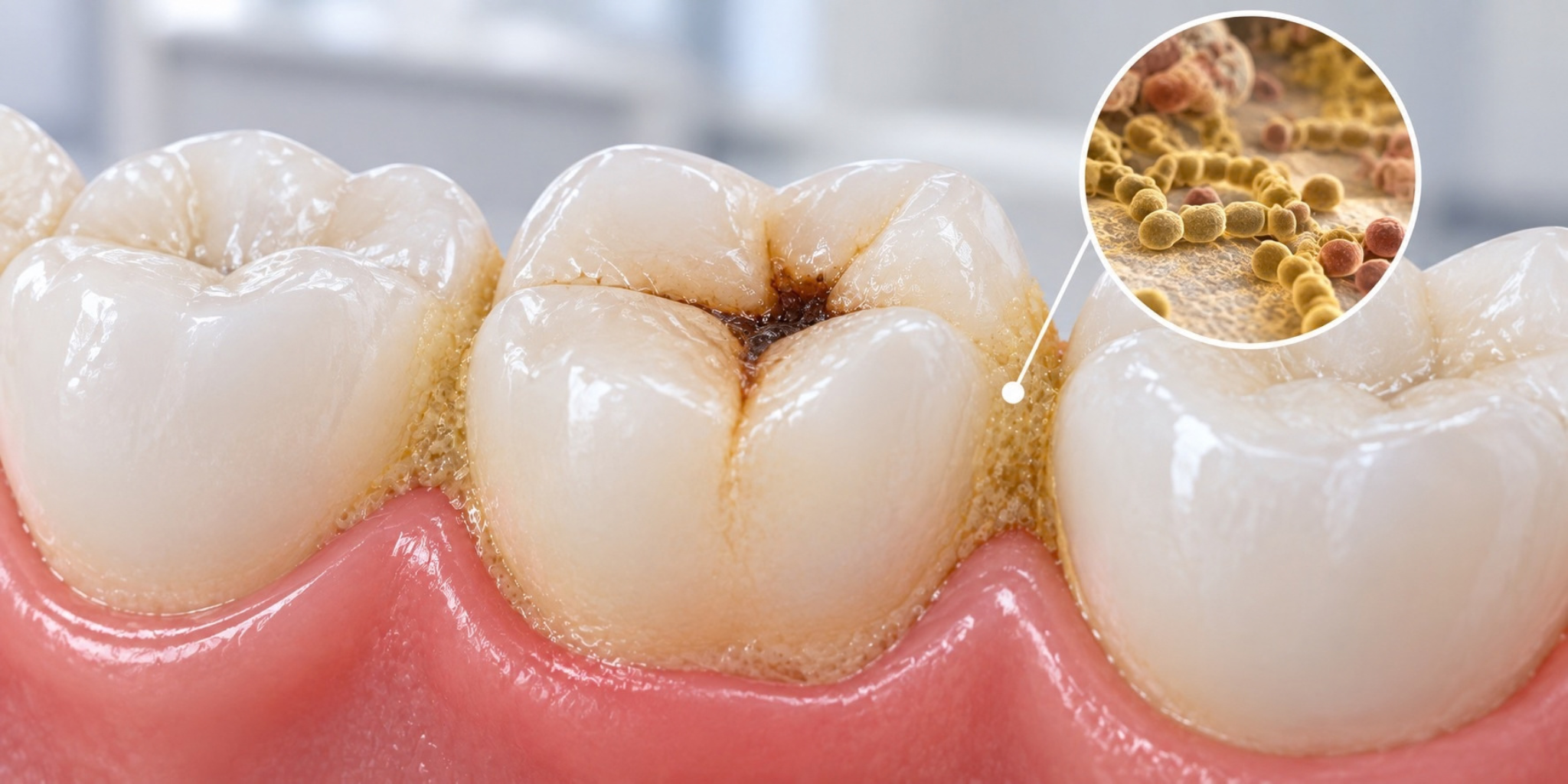
A layer of bacteria called plaque constantly forms on our teeth. When we consume sugary foods or drinks, bacteria in the plaque can produce acids. These acids attack the minerals in our teeth and, over time, can contribute to tooth decay.
Plaque can build up in areas that are easy to miss, including:
- Between the teeth
- Along the gum line
- In the grooves of the back teeth
- Around fillings and other dental work
This is why simply brushing the front surfaces of your teeth is not enough.
Preventing cavities is really about controlling plaque, reducing frequent sugar exposure, and keeping your teeth protected with fluoride.
1. Brush Your Teeth Twice a Day
This is the foundation of your daily oral hygiene routine.
I recommend brushing your teeth twice a day with fluoride toothpaste, including once before going to bed. A good brushing routine should take around two minutes.
When brushing, try to clean:
- The outside surfaces of your teeth
- The inside surfaces
- The chewing surfaces
- Along the gum line
- The back teeth, which are often easy to overlook
Use gentle, controlled movements rather than brushing aggressively.
Brushing harder does not mean brushing better. Excessive pressure can irritate the gums and contribute to tooth wear.
The goal is to remove plaque thoroughly while being gentle on your teeth and gums.
What about after brushing?
After brushing with fluoride toothpaste, spit out the excess toothpaste rather than immediately rinsing your mouth thoroughly with water. This allows more fluoride to remain in contact with your teeth.
2. Clean Between Your Teeth Every Day
One mistake I see quite often is assuming that brushing alone is enough.
It is not.
Your toothbrush cannot effectively reach all the surfaces between your teeth. This is where floss or another suitable interdental cleaner can help remove plaque and food debris.
I recommend cleaning between your teeth once a day.
Depending on the spaces between your teeth and your individual needs, you may use:
- Dental floss
- Interdental brushes
- Other interdental cleaning tools recommended by your dentist
If you find flossing difficult or your gums bleed when you start, do not simply give up.
It may be worth asking your dentist or dental team to show you the correct technique and help you find a method that works comfortably for you.
3. Pay Attention to How Often You Eat Sugary Foods
When people think about sugar and cavities, they often focus only on how much sugar they consume.
But how frequently you consume it also matters.
Every time your teeth are exposed to sugar, the bacteria in plaque can produce acids that attack the tooth surface. Frequent snacking or regularly sipping sugary drinks throughout the day can therefore increase the number of acid attacks your teeth experience.
You do not necessarily have to eliminate every sweet food from your life.
Instead, try to:
- Reduce sugary snacks between meals
- Avoid constantly sipping sweetened drinks
- Choose water more often
- Keep sugary foods and drinks as occasional rather than frequent choices
For example, drinking a sweetened beverage slowly over several hours exposes your teeth to sugar repeatedly.
Your teeth would much rather you finish the drink and move on with your day. They are not particularly enthusiastic about a six-hour sugar subscription.
4. Choose Tooth-Friendly Drinks and Snacks
What you eat and drink throughout the day can make a difference to your risk of tooth decay.
Water is one of the simplest choices because it does not contain sugar and helps keep your mouth hydrated.
When choosing snacks, consider options that are lower in added sugars rather than frequently reaching for sweets, biscuits, cakes or sugary drinks. A balanced diet also supports your general health, which is closely connected to maintaining good oral health.
If you regularly consume sugary or acidic foods and drinks, I recommend discussing your diet with your dentist so we can consider your individual risk of tooth decay. There is no need to turn every meal into a dental risk assessment. Just be mindful of the patterns you repeat every day.
5. Make Fluoride Part of Your Routine
Fluoride is an important part of cavity prevention because it helps strengthen teeth and makes them more resistant to acid attacks.
For most people, brushing twice a day with fluoride toothpaste is one of the simplest ways to benefit from fluoride every day. Singapore HealthHub recommends toothpaste containing at least 1,000 ppm fluoride for cavity prevention.
For patients who are at higher risk of tooth decay, I may recommend additional preventive measures depending on their individual situation. These may include professionally applied fluoride treatments or other preventive approaches.
The important point is that fluoride recommendations should be personalised, particularly for children or patients with specific dental conditions.
6. Don’t Ignore the Areas That Are Difficult to Clean
Some parts of your mouth are naturally more difficult to keep clean.
The deep grooves and pits on the chewing surfaces of your back teeth, for example, can collect plaque and food particles. These areas are also common places for cavities to develop.
This is why your brushing technique matters.
Take your time around the back teeth and make sure you are not simply brushing the teeth that are easiest to reach. For some patients, particularly those with deeper grooves or a higher risk of tooth decay, a dentist may recommend dental sealants as an additional preventive measure. Whether this is appropriate depends on your individual teeth and risk factors.
7. Replace Your Toothbrush When It Starts to Wear
A toothbrush does not last forever.
If the bristles become worn, flattened or spread out, the brush may not clean as effectively as it should. HealthHub recommends replacing a toothbrush approximately every three months or when the bristles become worn. You do not need an expensive toothbrush to maintain good oral hygiene.
What matters more is:
- Using a suitable toothbrush
- Using fluoride toothpaste
- Brushing thoroughly twice a day
- Using the correct technique
- Replacing the brush when it is no longer in good condition
8. Don’t Wait Until You Have a Toothache
This is one of the most important parts of preventive dental care.
A cavity does not always hurt when it first begins to develop.
In fact, early tooth decay can be completely painless. By the time a cavity reaches deeper parts of the tooth, you may start experiencing sensitivity or pain. This is why regular dental examinations are important even when you think your teeth are perfectly healthy.
During a dental examination, we can look for early signs of tooth decay, gum problems and other changes that you may not notice yourself. Depending on your risk factors and what we find, we may also recommend X-rays or other assessments.
9. Keep Up With Regular Dental Visits
There is no single dental check-up schedule that is appropriate for everyone.
Some people may need to visit more frequently because they have a higher risk of cavities or gum disease, while others may require less frequent examinations. Your dentist can recommend an interval based on your individual oral health and risk factors.
During a regular visit, we can assess:
- Your teeth for signs of decay
- Your gums
- Existing fillings and other dental work
- Your oral hygiene
- Areas that are difficult for you to clean
- Your individual risk factors
Regular visits are not only about finding problems.
They also give us an opportunity to help you prevent problems from developing in the first place.
10. Listen to Changes in Your Teeth
Finally, pay attention when something changes.
You may notice:
- New sensitivity
- Pain when eating or drinking
- Food repeatedly getting trapped between certain teeth
- A visible dark or white spot
- A rough or damaged area
- Pain when biting
These symptoms do not automatically mean that you have a cavity, but they are worth having checked. Some dental problems can progress without obvious symptoms, so I would rather assess a small concern early than wait until it becomes a much bigger problem.
Can Cavities Be Completely Prevented?
I often get asked whether following a perfect brushing routine means you will never develop a cavity.
Unfortunately, there is no guarantee.
Your risk of tooth decay can be influenced by several factors, including your oral hygiene, diet, saliva, existing dental work, medical conditions and individual susceptibility.
The goal of preventive care is therefore not to promise that you will never develop a cavity.
It is to reduce your risk as much as possible and identify problems early when they do occur.
That is why I look at prevention as a combination of your daily habits and professional dental care.
What Does a Good Daily Routine Look Like?
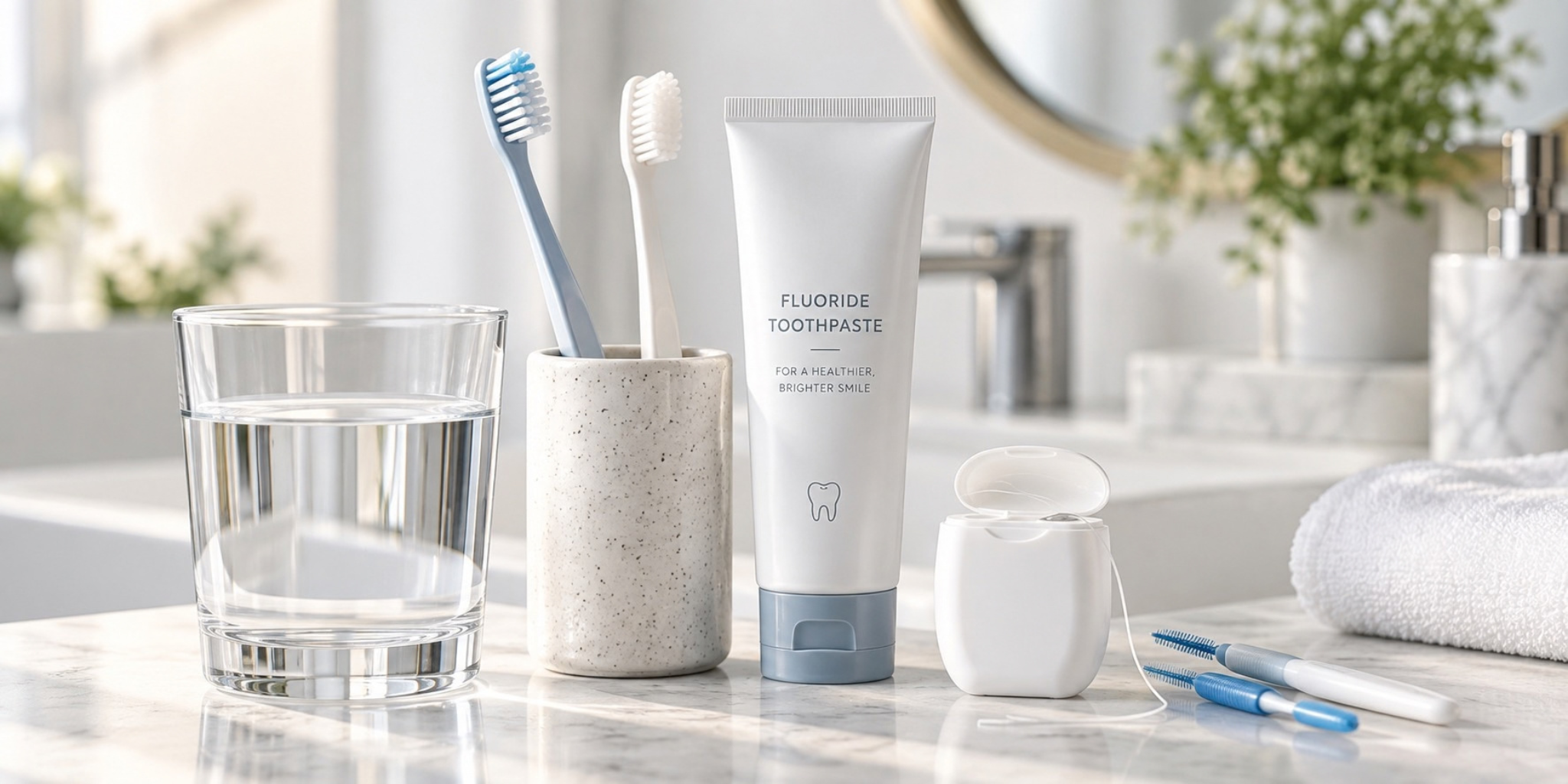
If you want to keep things simple, here is the routine I would recommend:
Morning
🪥 Brush your teeth with fluoride toothpaste for around two minutes.
During the Day
💧 Choose water regularly and limit frequent sugary snacks and drinks.
Once a Day
🦷 Clean between your teeth using floss or another suitable interdental cleaner.
Before Bed
🪥 Brush your teeth again with fluoride toothpaste.
Regularly
👩⚕️ Attend dental examinations based on your individual needs.
It does not have to be complicated.
Consistency matters more than having a complicated routine that you only follow occasionally.
Frequently Asked Questions
- Can I still get cavities if I brush my teeth every day?
Yes. Brushing is extremely important, but it is only one part of cavity prevention.
Diet, cleaning between the teeth, fluoride exposure, saliva and individual risk factors can also affect your likelihood of developing tooth decay.
- Is brushing twice a day enough?
Brushing twice a day with fluoride toothpaste is an important foundation, but you should also clean between your teeth daily and maintain healthy eating and drinking habits. Regular dental examinations are also important.
- Should I stop eating sweets completely to prevent cavities?
Not necessarily.
The more important point is to avoid frequent exposure to sugary foods and drinks. Reducing sugary snacks between meals and choosing water more often can help reduce the risk of tooth decay.
- How often should I visit the dentist to prevent cavities?
There is no universal schedule.
Your dentist can recommend how often you should have examinations based on your oral health and individual risk factors. Patients at higher risk of tooth decay may need more frequent monitoring.
- Can early cavities be reversed?
Very early tooth decay may sometimes be stopped or reversed before a true cavity forms, particularly when the causes are addressed and the tooth is exposed to appropriate fluoride. Once a cavity has formed and the tooth structure has been significantly destroyed, restorative treatment may be required.
A Final Word from Dr. Lynn
Preventing cavities is not about having a perfect smile or following an unnecessarily complicated routine.
It is about the small habits you repeat every day.
Brush twice a day with fluoride toothpaste. Clean between your teeth. Be mindful of how often you consume sugary foods and drinks. Drink water regularly. Replace your toothbrush when it becomes worn. And most importantly, do not wait until you have pain before visiting your dentist.
Your teeth may feel completely fine today, but that does not mean they should be ignored.
Regular dental examinations allow us to monitor your oral health, identify potential problems early and give you personalised advice based on your individual needs. I always tell my patients that prevention is much better than waiting until a small problem becomes a painful one.
You do not need a complicated routine. You simply need to be consistent.
Take care of your teeth every day, keep your regular dental appointments, and give your smile the best chance of staying healthy for many years to come.
— Dr. Lynn, GH Goh Dental Surgery
Ready to Take the Next Step?
If you would like to know more about your risk of tooth decay, improve your daily oral hygiene routine, or have concerns about your teeth, we are here to help.
Book a consultation with GH Goh Dental Surgery for a professional dental examination and personalised advice on maintaining your oral health.
📍 161 Bukit Merah Central, Singapore, #01-3731
📞 +65 6273 3133
💬 WhatsApp us to book your appointment
@gh.goh.dental