How Long Does Teeth Whitening Last? Tips to Keep Your Smile Bright
By Dr. Lynn | GH Goh Dental Surgery, Singapore
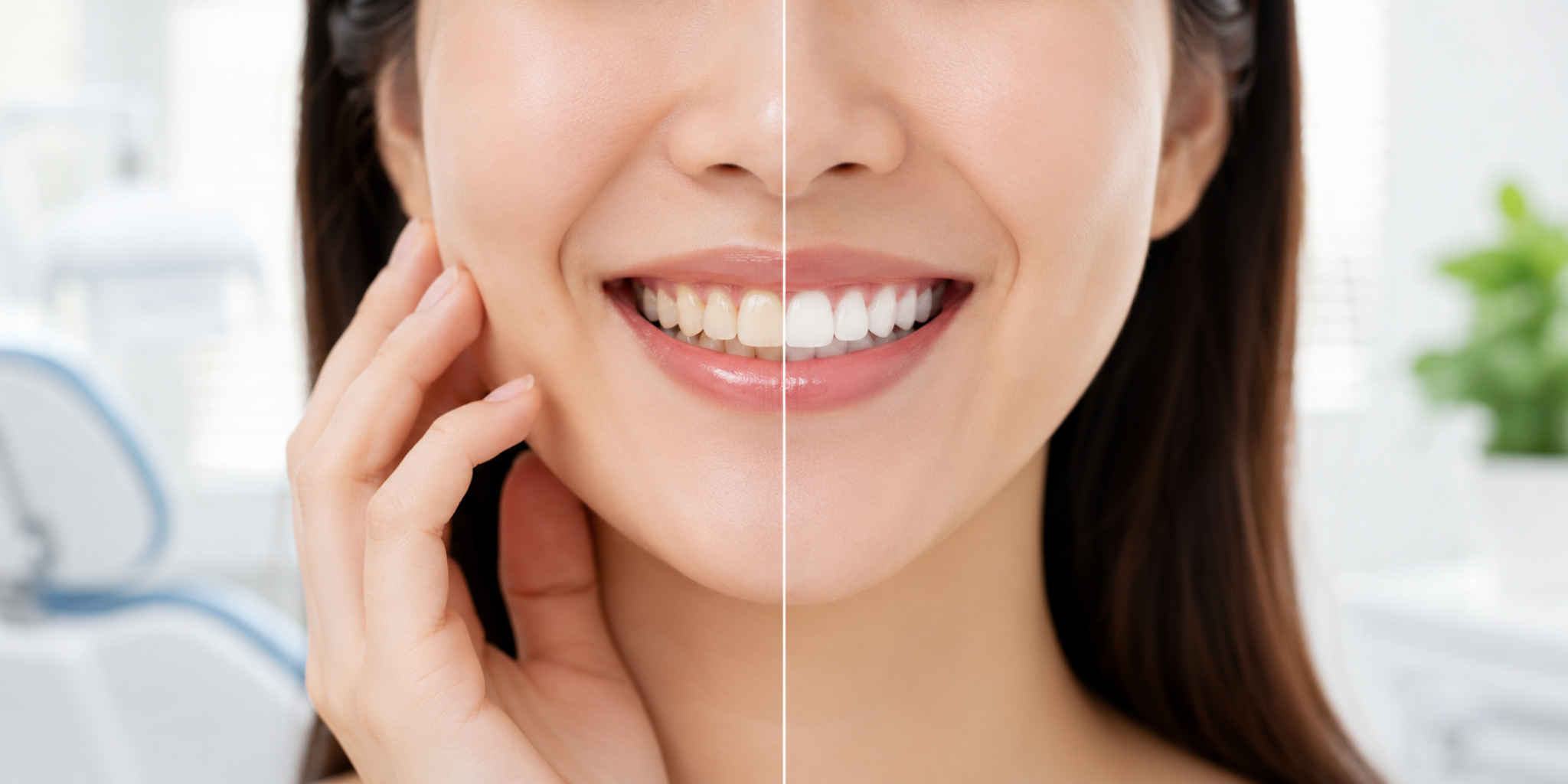
A brighter smile is something many of my patients are interested in, but one question often comes up before they decide to whiten their teeth:
“How long will the results actually last?”
Teeth whitening can make your smile look noticeably brighter, but the result is not permanent. Over time, our teeth are naturally exposed to foods, drinks, lifestyle habits and the effects of aging, which can gradually bring some staining back.
How long your whitening results last can therefore vary from person to person. Your diet, oral hygiene habits, smoking, the type of staining you have and the whitening method used can all make a difference.
The good news is that there are simple ways to help maintain your results and keep your smile looking bright for longer.
In this article, I’ll explain how professional teeth whitening works, what can cause your results to fade, and the habits I recommend to help you maintain a brighter, healthier-looking smile.
How Does Teeth Whitening Actually Work?
Teeth whitening works by using whitening agents, commonly hydrogen peroxide or carbamide peroxide, to break down coloured compounds responsible for tooth discolouration. These compounds can be located on or within the tooth, depending on the type of staining.
There are two broad types of staining that I look at when assessing a patient’s teeth:
- Surface Stains
These are stains that develop on the outer surface of the teeth.
Common causes include:
- Coffee and tea
- Red wine
- Dark-coloured foods and sauces
- Smoking or tobacco use
- Certain drinks and highly pigmented foods
Some surface stains can be improved through professional cleaning and polishing, while whitening may further brighten the natural tooth colour.
- Deeper or Intrinsic Staining
Intrinsic stains occur within the tooth itself and can have different causes, including ageing, certain medications taken during tooth development, fluorosis, previous dental treatment, or changes within the tooth.
These types of stains can sometimes respond to whitening, but the result depends on the underlying cause and severity of the discolouration. Not every type of staining responds in exactly the same way.
This is one reason why I recommend having your teeth assessed before whitening rather than simply choosing the strongest-looking product you can find online.
So, How Long Does Teeth Whitening Last?
There is no exact expiry date for teeth whitening.
The results are influenced by your individual teeth and your lifestyle. Some patients may enjoy a brighter smile for one year or longer, while others may notice staining returning sooner. With good maintenance, the effects can potentially last for several years.
The important thing to understand is that whitening does not permanently change your teeth into a particular shade.
Your teeth continue to be exposed to food, drinks, ageing, and other factors after treatment. Over time, new staining can develop.
Think of whitening as giving your smile a fresh start. What you do afterwards determines how well you maintain it.
What Can Make Teeth Whitening Results Fade Faster?
There are several lifestyle factors that can affect the longevity of your whitening results.
- Coffee and Tea
I see this quite often with patients.
Coffee and tea are among the most common drinks associated with tooth staining. If you drink them frequently, particularly if you sip them throughout the day, your teeth may gradually develop surface staining again.
You do not necessarily have to give up your morning coffee completely. That would be an unreasonable demand to make of anyone.
Instead, be mindful of how frequently you consume staining drinks and maintain good oral hygiene afterwards.
- Smoking
Smoking and tobacco use can contribute significantly to tooth discolouration.
If you have invested in whitening your teeth, continuing to smoke can make it much harder to maintain a brighter appearance.
More importantly, smoking affects your overall oral health, so quitting is beneficial for much more than just the colour of your teeth.
- Poor Oral Hygiene
Whitening is not a substitute for brushing and flossing.
Plaque can accumulate on the teeth and contribute to surface staining, while poor oral hygiene can increase the risk of tooth decay and gum disease.
I always encourage my patients to continue brushing twice a day, cleaning between their teeth, and attending regular dental check-ups.
- Highly Pigmented Foods and Drinks
Coffee and tea are not the only things that can stain your teeth.
Red wine, dark berries, cola, and strongly coloured sauces can also contribute to staining over time.
You do not have to avoid every colourful food for the rest of your life. The goal is simply to be aware that frequent exposure can affect the brightness of your smile.
- Aging
Our teeth naturally change colour as we get older.
The enamel becomes thinner and more translucent with age, allowing the naturally yellower dentine underneath to become more visible. This means that some gradual darkening is a normal part of aging.
Professional Teeth Whitening vs DIY Whitening: What Is the Difference?
This is something I think is particularly important to talk about.
There are countless DIY whitening methods online, from lemon juice and baking soda to activated charcoal and homemade mixtures.
Just because something is described as “natural” does not automatically make it safe for your teeth.
Some DIY approaches have little evidence showing that they effectively whiten teeth, while certain abrasive methods may actually damage the tooth surface. The American Dental Association, for example, notes that evidence for many DIY or natural whitening approaches is limited, and some methods can be abrasive or ineffective.
There is also a safety issue with unverified whitening products.
In Singapore, products containing more than 0.1% hydrogen peroxide are not intended for direct sale to consumers and higher concentrations are subject to dental-professional supervision or supply requirements. HSA has also highlighted cases where online DIY whitening products containing higher concentrations were sold directly to consumers and could potentially cause irritation or damage.
This is why I strongly recommend professional assessment before whitening.
Why Is Professional Whitening Safer?
When you have your teeth professionally assessed before whitening, we can first determine whether whitening is appropriate for you.
We can check for:
- Tooth decay
- Gum disease or inflammation
- Tooth sensitivity
- Gum recession
- Defective or discoloured restorations
- Other causes of tooth discolouration
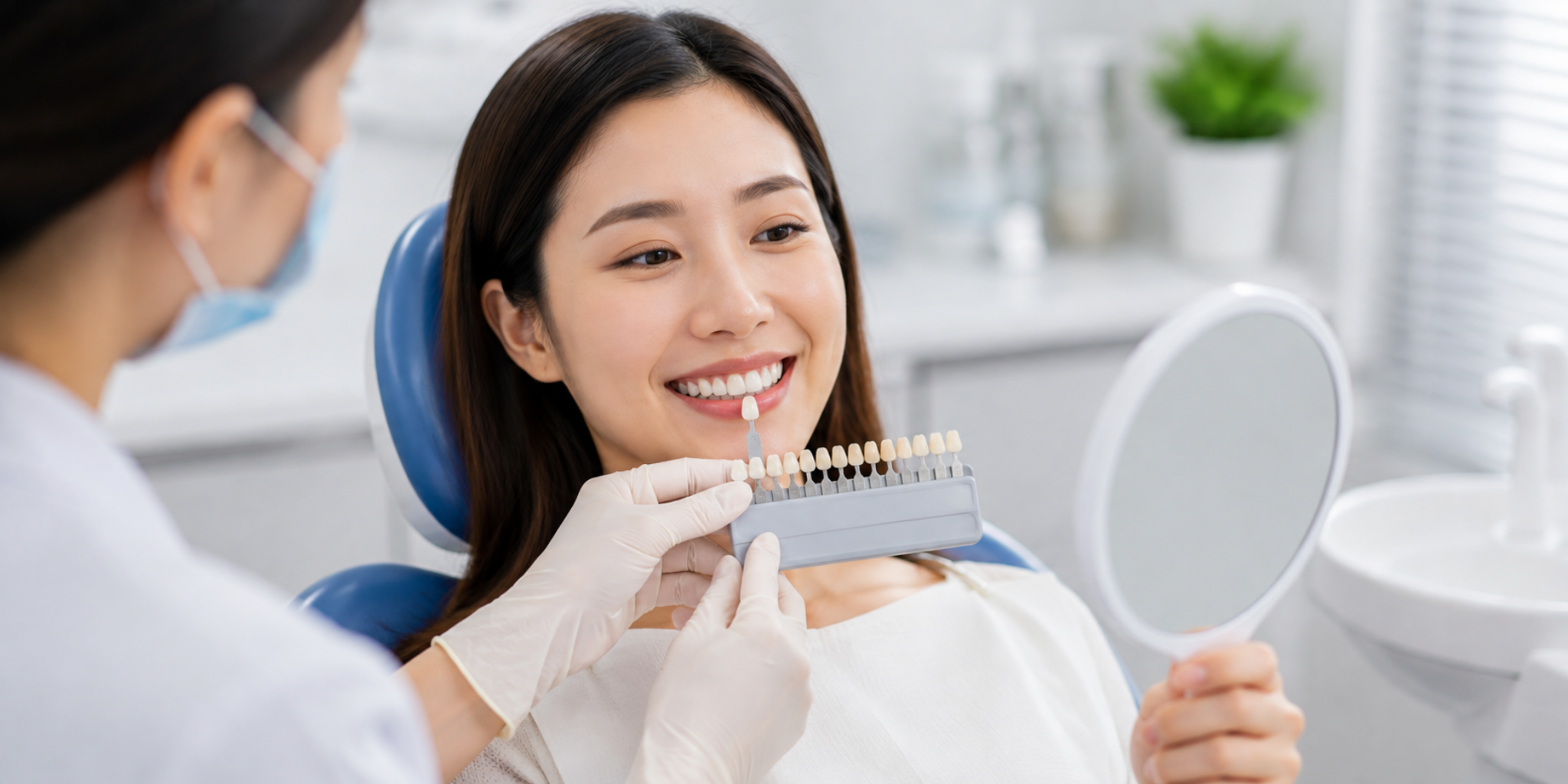
This matters because whitening is designed for natural teeth. Tooth-coloured fillings, crowns, veneers, dentures and other restorations generally do not change colour in the same way as natural teeth. Whitening can therefore sometimes make existing restorations look noticeably different from the surrounding teeth.
Professional whitening also allows us to select an appropriate treatment approach and manage the exposure of the whitening gel to your gums and other soft tissues.
The Singapore Dental Association recommends proper dental examination and professional supervision for appropriate whitening treatments, particularly where stronger whitening agents are involved.
6 Simple Tips to Keep Your Smile Bright
If you have recently whitened your teeth, these habits can help you maintain your results.
- Brush Twice a Day
Continue brushing your teeth twice a day with fluoride toothpaste.
Good daily oral hygiene helps reduce plaque accumulation and surface staining.
- Clean Between Your Teeth
Floss or use another suitable interdental cleaning method once a day.
A bright smile is much more than the front surfaces of your teeth. Healthy gums and clean spaces between the teeth matter too.
- Be Mindful of Staining Foods and Drinks
You do not need to completely eliminate coffee, tea or your favourite foods.
However, if you regularly consume highly pigmented foods and drinks, be aware that they can contribute to staining over time.
Drinking water alongside meals and after staining drinks can also help rinse away food and drink residue.
- Avoid Smoking
If you smoke, quitting is one of the best things you can do for your oral health and for maintaining a brighter smile.
- Keep Up With Professional Dental Cleaning
Professional scaling and polishing can remove plaque, tartar and certain surface stains that brushing alone cannot remove.
This does not replace whitening, but keeping your teeth professionally cleaned helps maintain a clean and healthy foundation for your smile.
- Follow Your Dentist’s Advice
If you have been provided with a dentist-supervised whitening programme, follow the instructions given to you.
Using whitening products more frequently or for longer than recommended does not necessarily mean you will get a better result. It can instead increase the risk of tooth sensitivity and gum irritation.
Does Teeth Whitening Damage Your Teeth?
This is another common concern I hear from patients.
When whitening is carried out appropriately, it is generally considered a safe cosmetic dental treatment. However, that does not mean there are no possible side effects.
The most common ones are temporary tooth sensitivity and gum irritation. These are generally mild and temporary, although the likelihood and severity can vary depending on factors such as the whitening agent, concentration, and exposure time.
This is another reason I do not recommend repeatedly whitening your teeth without professional guidance.
More whitening is not necessarily better whitening.
The goal should be to achieve a natural-looking result while keeping your teeth and gums healthy.
Common Teeth Whitening Myths
They are not. Teeth naturally pick up stains and change colour over time. Your diet, smoking habits, oral hygiene and age can all affect how long the result lasts.
Myth 2: “The Whiter My Teeth Are, the Healthier They Are”
Not necessarily. Teeth whitening is primarily a cosmetic treatment. A whiter smile does not automatically mean healthier teeth. Healthy teeth and gums should always come first.
A Myth 3: “Whitening Toothpaste Can Give Me the Same Result”
Whitening toothpastes can help remove some surface stains, but they generally work differently from professional bleaching treatments. They do not necessarily produce the same change in the underlying colour of natural teeth.
Myth 4: “Natural Whitening Methods Must Be Safer”
For some patients, the biggest change is simply feeling more comfortable smiling, speaking, and eating around other people. This is not always true. Lemon juice, vinegar, baking soda mixtures, charcoal and other DIY methods can have limited evidence behind them, and some may be abrasive or irritating. Your teeth are not kitchen tiles. Please do not treat them like they are waiting for a cleaning hack from TikTok.
Myth 5: “All Teeth Can Be Whitened to the Same Shade”
For some patients, the biggest change is simply feeling more comfortable smiling, speaking, and eating around other people. Not necessarily. The result depends on your natural tooth colour, the type of staining, your existing dental work and how your teeth respond to the whitening treatment. A good whitening result should look natural rather than simply aiming for the brightest possible shade.
What If My Teeth Are Sensitive?
Some people experience temporary sensitivity during or after whitening.
If you already have sensitive teeth, I recommend mentioning this before treatment so we can consider whether whitening is appropriate and how best to manage it.
If sensitivity develops during treatment, do not simply continue using the whitening product more frequently or for longer.
Follow the instructions provided by your dentist, and let us know if the sensitivity persists or becomes uncomfortable.
Should I Get My Teeth Cleaned Before Whitening?
In many cases, a dental examination and professional cleaning can be useful before whitening.
Surface plaque, tartar and stains can affect how your teeth look and can make it more difficult to assess their natural colour accurately.
More importantly, an examination gives us an opportunity to identify issues such as cavities, gum problems, defective restorations or significant sensitivity before beginning cosmetic treatment.
At GH Goh Dental Surgery, we offer professional teeth whitening as part of our dental services, and the appropriate approach should always be based on your individual oral health and whitening goals.
Frequently Asked Questions
How long does professional teeth whitening last?
There is no fixed timeframe because results vary from person to person. With good care, whitening results can last for a year or longer, and some patients may maintain the effect for several years. Lifestyle habits such as smoking and frequent consumption of staining foods and drinks can shorten the duration.
Can I whiten my teeth again when they become darker?
In some cases, maintenance or repeat whitening may be appropriate. However, I recommend having your teeth assessed first rather than repeatedly whitening them on your own. We can determine whether the change in colour is simply staining or whether there is another dental issue that should be addressed.
Does teeth whitening work on fillings and crowns?
No. Whitening primarily changes the colour of natural teeth. Tooth-coloured fillings, crowns, veneers, dentures and other restorations generally do not whiten in the same way.
Can I drink coffee after teeth whitening?
You can continue to enjoy coffee, but frequent consumption of staining drinks can contribute to new staining over time. If maintaining your whitening result is important to you, be mindful of your intake and maintain good oral hygiene.
Is teeth whitening painful?
Most people tolerate whitening well, but temporary tooth sensitivity or gum irritation can occur. If you already have sensitive teeth, tell your dentist before treatment so that we can take this into consideration.
Is professional whitening better than DIY whitening?
Professional whitening offers the advantage of dental assessment, appropriate treatment selection and professional supervision. This is particularly important because stronger whitening agents can irritate or damage the gums and oral tissues if they are used incorrectly.
Can I use lemon or baking soda to whiten my teeth?
I would not recommend DIY whitening methods such as acidic fruit mixtures or abrasive homemade preparations. There is limited evidence that many of these methods provide meaningful whitening, and some can damage the tooth surface.
A Final Word from Dr. Lynn
A bright smile can make a real difference to how you feel about yourself.
But when it comes to teeth whitening, I always encourage my patients to look beyond simply getting the whitest possible teeth.
The goal should be a healthy, natural-looking smile that you can maintain comfortably over time.
Professional whitening can effectively brighten natural teeth, but the results are not permanent. Your everyday habits still matter. Brushing twice a day, cleaning between your teeth, attending regular dental check-ups, keeping up with professional cleaning, and being mindful of staining foods and drinks can all help you maintain your results for longer.
Most importantly, please be careful with whitening products and DIY treatments you find online. Your teeth are part of your health, not just your appearance. If something promises dramatic results in a few minutes with ingredients from your kitchen cupboard, that is probably a good moment to step away from the cupboard.
If you are considering teeth whitening, I recommend having your teeth and gums assessed first. We can discuss your current tooth colour, any existing dental work, your expectations and the most appropriate whitening approach for you.
A brighter smile is lovely. A healthy smile is even better.
Keep brushing, keep flossing, and take good care of your smile.
— Dr. Lynn, GH Goh Dental Surgery
Ready to Take the Next Step?
If you are considering teeth whitening or would like to find out whether professional whitening is suitable for you, we are here to help.
Book a consultation with GH Goh Dental Surgery for a professional assessment and personalised advice about your whitening options.
📍 161 Bukit Merah Central, Singapore
📞 +65 6273 3133
💬 WhatsApp us to book your appointment
@gh.goh.dental