Scaling & Polishing: The Secret to a Healthy Smile
By Dr. Lynn | GH Goh Dental Surgery, Singapore
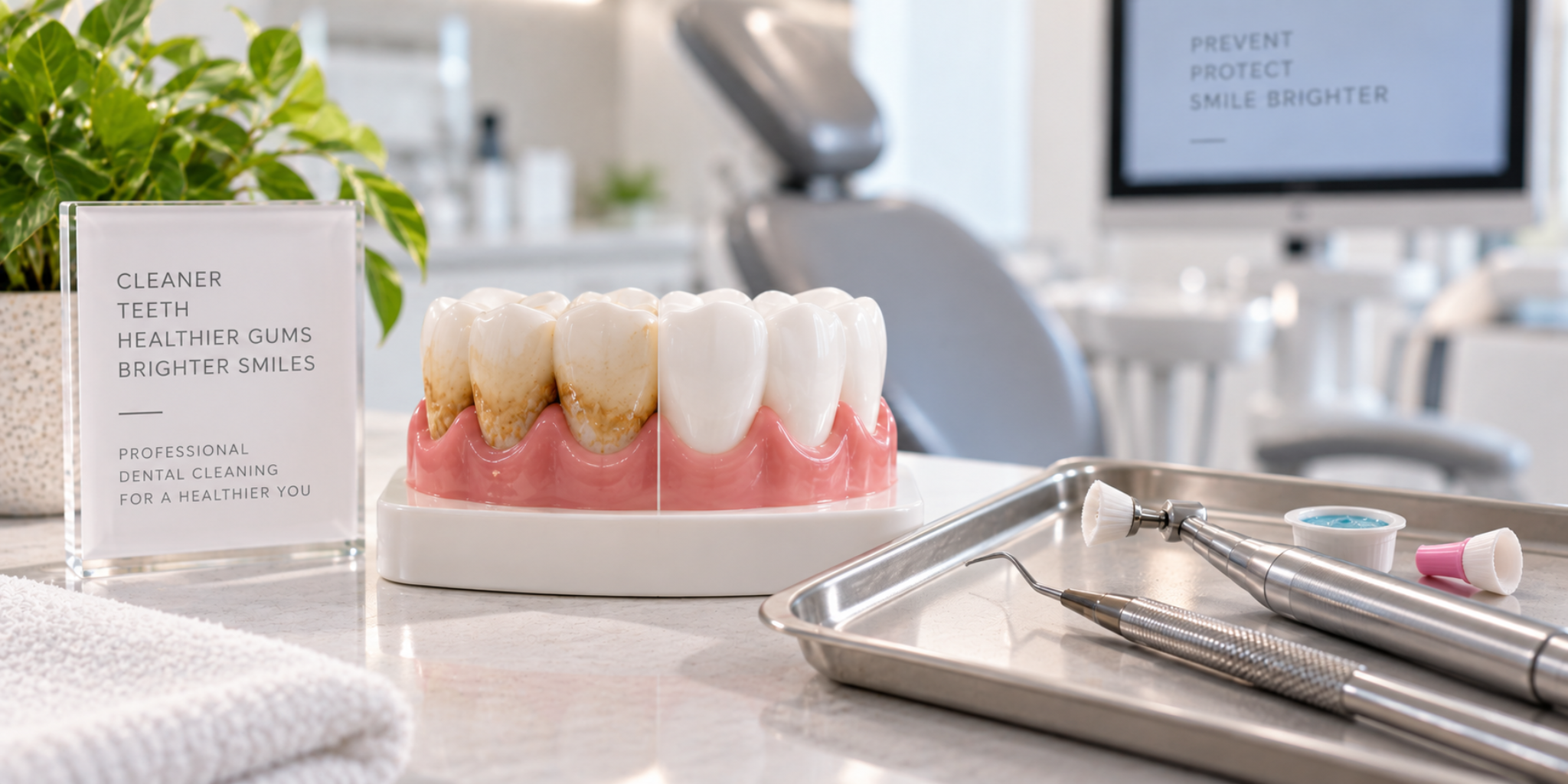
A clean smile is not only about how your teeth look. What matters just as much is what is happening along your gumline and in the areas you cannot easily clean at home.
Even with regular brushing and flossing, plaque can accumulate on your teeth and eventually harden into tartar. Once tartar has formed, it cannot simply be brushed away with a toothbrush. Professional cleaning allows us to remove this build-up and check your teeth and gums at the same time.
This is why scaling and polishing can be an important part of maintaining good oral hygiene.
Let me explain what happens during professional dental cleaning, how it can help your oral health and how often you may need it.
What Is Scaling and Polishing?
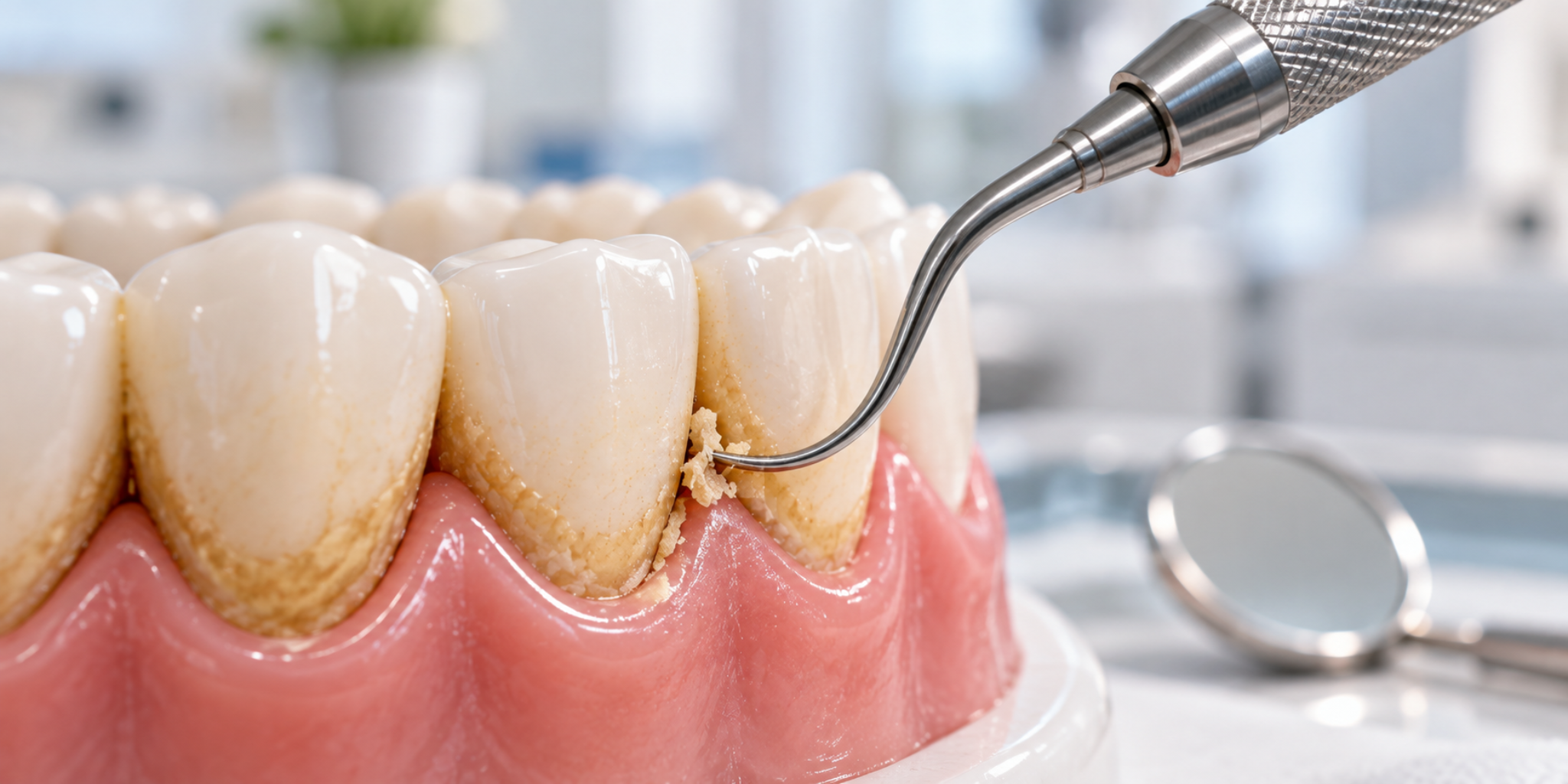
Scaling and polishing are two different parts of a professional dental cleaning.
What Is Scaling?
Scaling is the process of removing hardened deposits, commonly known as tartar or calculus, from the teeth.
Plaque is a sticky film that forms on the teeth. If it is not removed effectively, it can harden over time and become tartar. Unlike soft plaque, tartar cannot be removed effectively through normal brushing at home.
During scaling, dental instruments are used to remove these hardened deposits from the tooth surfaces, including areas around the gumline.
What Is Polishing?
After scaling, polishing helps remove certain surface stains and leaves the tooth surfaces feeling smoother.
Surface stains can come from things such as coffee, tea, cigarette smoking and red wine. Polishing can help reduce these stains, although it is important to understand that professional polishing is not the same as teeth whitening.
If you are hoping for a significantly whiter smile, a separate teeth-whitening treatment may be more appropriate depending on your goals.
Why Is Professional Dental Cleaning Important?
You may be wondering:
“If I brush and floss every day, why do I still need professional cleaning?”
This is a very reasonable question.
Good daily oral hygiene is essential, but there are areas of the mouth that can be difficult to clean completely. Plaque can remain around the gumline and between teeth, and over time it may harden into tartar.
Professional cleaning helps remove deposits that you cannot effectively remove with your regular toothbrush and floss.
It also gives your dentist an opportunity to assess your oral health and look for signs of problems such as cavities or gum disease.
5 Benefits of Regular Scaling and Polishing
1. Helps Remove Hardened Tartar
One of the main purposes of scaling is to remove tartar that has accumulated on your teeth.
Tartar can develop when plaque is left on the tooth surface and hardens. Once it has formed, brushing alone is not enough to remove it.
Removing these deposits helps keep your teeth cleaner and makes it easier for you to maintain good oral hygiene at home.
2. Supports Healthy Gums
Your gums are an important part of your oral health, but they are sometimes overlooked.
Plaque and tartar around the gumline can contribute to gum inflammation. If gum problems are left unmanaged, they can become more serious over time.
Regular professional cleaning, together with good daily oral hygiene, can help you maintain healthier teeth and gums. HealthHub notes that plaque and tartar accumulation are associated with inflammation and infection affecting the supporting gums and bone.
If your gums frequently bleed when brushing or flossing, look swollen or feel tender, do not simply assume that this is normal.
It is worth having them checked.
3. Helps Remove Surface Stains
Coffee, tea and other strongly coloured foods and drinks can gradually leave stains on the outer surface of your teeth.
Polishing can help remove some of these external stains and leave your teeth looking cleaner.
However, polishing does not change the natural internal colour of your teeth.
If you are looking for a noticeably whiter smile, we would need to discuss whether professional teeth whitening is suitable for you instead.
4. Makes It Easier to Maintain Good Oral Hygiene
There is another benefit patients sometimes notice after cleaning: their teeth simply feel smoother.
When hardened deposits and surface build-up have been removed, it can be easier to maintain a clean feeling between appointments with regular brushing and interdental cleaning.
Professional cleaning should not replace your daily routine, though.
Think of it as supporting your home care, not doing the job for you.
5. Gives Us an Opportunity to Check Your Oral Health
A professional cleaning appointment can also be an opportunity to look more closely at your teeth and gums.
During a dental examination, your dentist can check for cavities, gum disease and other oral health concerns. X-rays or other diagnostic procedures may also be recommended when clinically necessary.
This is one reason I do not view scaling and polishing as simply a cosmetic treatment.
It can be part of a broader approach to preventive dental care.
How Often Should You Have Scaling and Polishing?
There is no single cleaning schedule that is suitable for everyone.
Some people may accumulate plaque and tartar more quickly than others. Your recommended cleaning frequency may depend on your oral hygiene, history of gum disease, tendency to develop tartar, diet and other individual risk factors.
This is why I prefer to assess each patient individually rather than simply telling everyone to come in at exactly the same interval.
For some patients, professional cleaning may be recommended more regularly. Others may require less frequent cleaning if they have good oral health and a lower risk of problems.
Your dentist can recommend an appropriate interval based on your oral health.
Does Scaling and Polishing Hurt?
This is one of the questions I hear quite often.
For many patients, scaling and polishing is a straightforward procedure. However, some people may experience temporary sensitivity or discomfort, particularly if they have sensitive teeth, inflamed gums or significant tartar build-up.
If you are nervous or have experienced discomfort during dental cleaning before, please let us know.
We can take this into consideration and make the appointment as comfortable as possible.
What Happens During a Scaling and Polishing Appointment?
If you have never had professional dental cleaning before, here is what you can generally expect.
Step 1: Examination
I will first assess your teeth and gums and look at the amount and location of plaque, tartar and any other concerns.
Step 2: Scaling
Dental instruments are used to carefully remove hardened tartar from the tooth surfaces and around the gumline.
The exact approach depends on the amount and location of the deposits.
Step 3: Polishing
Once the tartar has been removed, polishing helps remove certain surface stains and smooth the tooth surfaces.
Step 4: Oral Hygiene Advice
Depending on what I see, I may also recommend changes to your brushing or interdental cleaning technique.
For example, you may be brushing regularly but missing certain areas between your teeth or around the gumline.
Step 5: Discussing Your Next Visit
Your recommended cleaning interval will depend on your individual oral health and risk factors.
If there are signs of gum disease, tooth decay or another concern, I may recommend further assessment or treatment.
Is Scaling and Polishing the Same as a Dental Check-Up?
Not exactly.
A dental check-up focuses on examining your teeth, gums and mouth to identify potential problems.
Scaling and polishing is a professional cleaning procedure that removes hardened tartar and certain surface stains.
They can be performed during the same overall dental visit, depending on your needs, but they have different purposes.
This distinction is important because a professional cleaning should not be viewed as a substitute for a proper dental examination.
Can Scaling and Polishing Whiten Your Teeth?
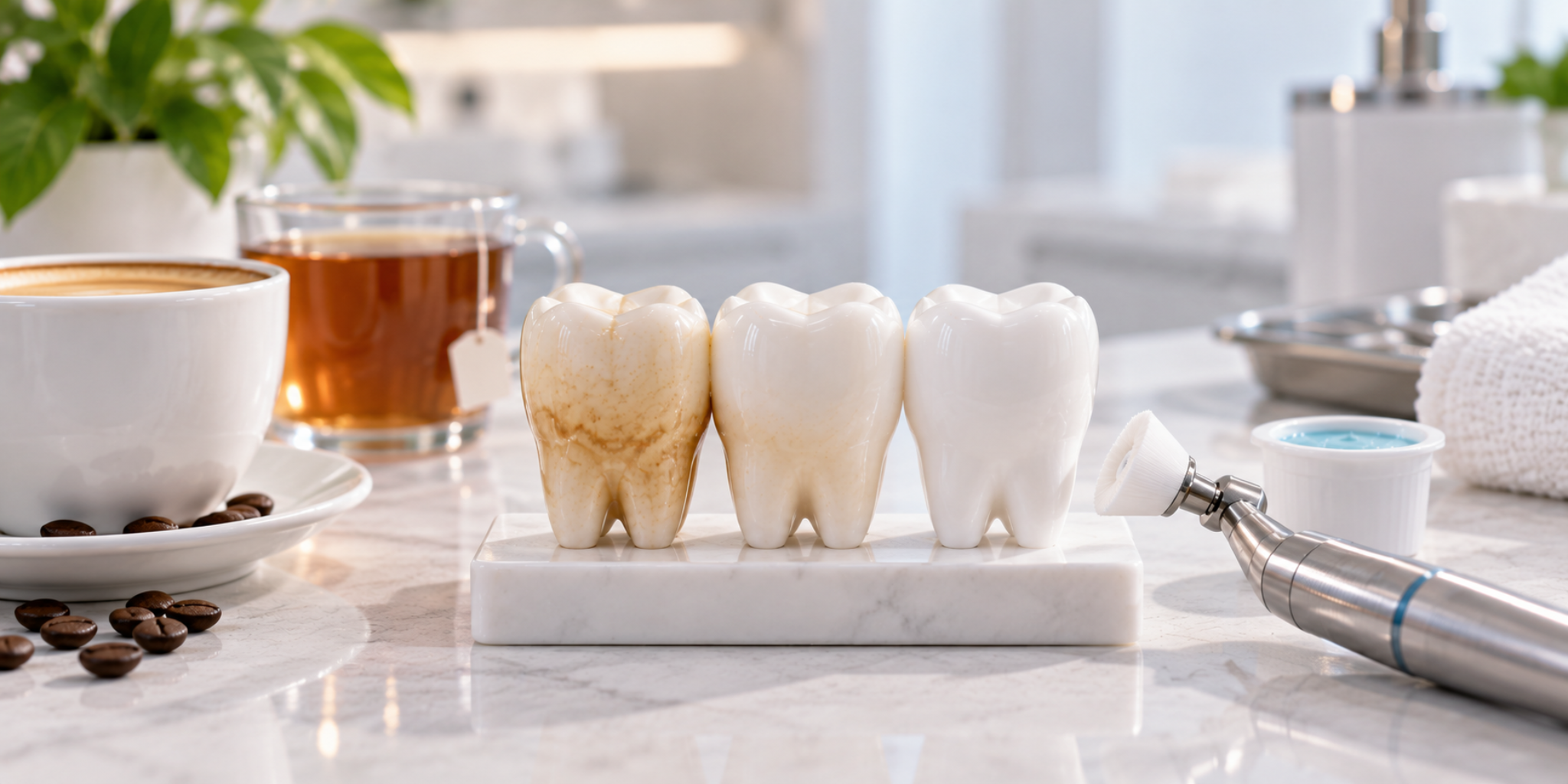
It can make your teeth look cleaner and brighter by removing certain surface stains.
However, scaling and polishing does not whiten the natural colour of your teeth in the same way that a professional whitening treatment does.
For example, if coffee or tea has caused external staining, polishing may make a noticeable difference.
If the natural shade of your teeth is what you would like to change, we can discuss whether teeth whitening may be suitable for you.
What Should You Do After Scaling and Polishing?
After your professional cleaning, the most important thing is to maintain the results through good daily oral care.
I recommend:
- Brush your teeth twice a day with fluoride toothpaste.
- Clean between your teeth every day using floss or an appropriate interdental cleaner.
- Limit frequent sugary snacks and drinks.
- Pay attention to bleeding, swelling or other changes in your gums.
- Attend dental check-ups and professional cleaning at the interval recommended for you.
Regular professional cleaning works best when combined with consistent oral hygiene at home. HealthHub recommends regular dental visits for professional assessment as part of preventing dental caries and maintaining oral health.
What If I Have Not Had a Dental Cleaning in a Long Time?
Do not worry.
You are certainly not the only person who has delayed a dental visit.
Some patients become busy, some are nervous about dental treatment and others simply do not realise how long it has been since their last cleaning.
If it has been several months or even years, you do not need to feel embarrassed.
The best thing to do is start from where you are.
At your appointment, we can assess your current oral health, determine whether scaling and polishing is appropriate and discuss a suitable plan for maintaining your teeth and gums going forward.
Scaling and Polishing Is About More Than a Cleaner Smile
I know that many patients think about scaling and polishing mainly because they want their teeth to look cleaner.
There is nothing wrong with that.
But the bigger picture is your oral health.
Professional cleaning can help remove tartar that cannot be removed through brushing alone, support good gum health and give us an opportunity to identify oral health concerns that may otherwise go unnoticed.
Most importantly, it works alongside the habits you practise every day at home.
A healthy smile is not created by one dental cleaning. It is built through consistent care over time.
Frequently Asked Questions
- How often should I get scaling and polishing in Singapore?
There is no fixed frequency that applies to everyone. Your dentist can recommend an appropriate interval based on your oral health, tartar build-up and individual risk factors.
- Does scaling remove tartar?
Yes. Scaling is specifically performed to remove hardened tartar or calculus from the teeth, including around the gumline.
- Does polishing whiten teeth?
Polishing can remove certain external surface stains, including stains from coffee and tea. It does not change the natural colour of your teeth like professional whitening treatment.
- Can I just brush and floss instead of getting professional cleaning?
Daily brushing and interdental cleaning are essential, but they cannot remove hardened tartar once it has formed. Professional cleaning may therefore still be recommended depending on your individual needs.
- Is scaling and polishing necessary if my teeth look clean?
Even if your teeth look clean, there may be plaque or tartar in areas that are difficult to see or reach. A dental examination can also identify problems that may not yet be obvious to you.
- Will my teeth feel sensitive after scaling?
Some patients may experience temporary sensitivity, particularly when there is existing gum inflammation or significant tartar build-up. If you have sensitive teeth, let your dental team know before your cleaning.
A Final Word from Dr. Lynn
Scaling and polishing may seem like a simple dental procedure, but it can play an important role in maintaining your oral health.
Removing hardened tartar, managing surface stains and monitoring your gums are all part of keeping your mouth healthy.
The most important thing is not simply how often you have your teeth cleaned. It is having a preventive dental routine that is appropriate for your needs.
So keep brushing, keep cleaning between your teeth and keep up with your dental visits.
Your future smile will thank you for it. 🦷
Book Your Dental Cleaning at GH Goh Dental Surgery
At GH Goh Dental Surgery, we provide personalised dental care for individuals and families in Singapore. Our team can assess your teeth and gums, provide professional scaling and polishing where appropriate, and recommend a cleaning schedule based on your individual oral health needs.
📍 161 Bukit Merah Central, Singapore, #01-3731
📞 +65 6273 3133
💬 WhatsApp us to book your appointment
@gh.goh.dental
Take care of your smile today so you can keep smiling confidently for years to come.