10 Warning Signs You Should See a Dentist | Singapore
By Dr. Lynn | GH Goh Dental Surgery, Singapore
Many people have the same approach to dental care:
“If my teeth don’t hurt, everything must be fine.”
I wish it were always that simple.
The reality is that some dental problems can develop quietly, without causing obvious pain in the early stages. Tooth decay, for example, may be painless at first, while gum disease can progress before you notice significant symptoms. By the time pain or a loose tooth appears, the problem may already require more extensive treatment.
This is why I encourage my patients not to wait for a dental emergency before coming in.
Your mouth can give you several warning signs along the way. Some may seem minor, but they can be useful clues that something needs attention.
In this article, I’ll go through 10 signs you should not ignore, and explain why regular dental examinations are important even when your teeth feel perfectly fine.
Why You Shouldn't Wait Until Something Hurts
Pain is an important warning sign, but it is not the only one.
During a dental examination, we look for problems that you may not be able to see or feel yourself, including early tooth decay, gum inflammation, damaged teeth and changes that may require closer monitoring. X-rays may also be recommended when we need to check areas that cannot be assessed fully from the surface.
The earlier we identify a problem, the more opportunity we have to manage it before it becomes more complicated.
That is why I see regular dental check-ups as preventive care, not just treatment for pain.
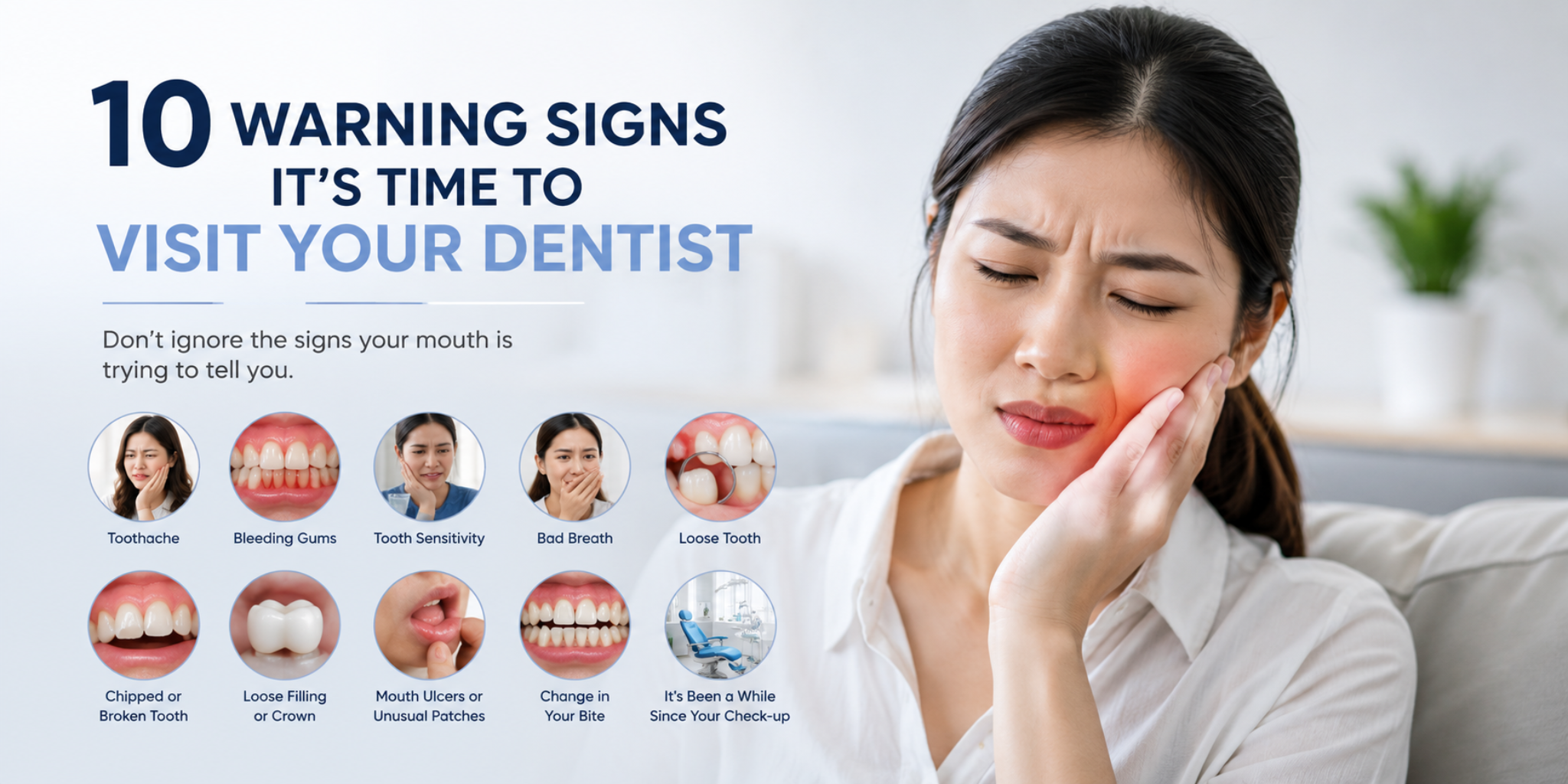
10 Warning Signs You Shouldn't Ignore
- Persistent Toothache
A toothache is one of the clearest reasons to visit a dentist.
You may experience:
- A constant or throbbing ache
- Sharp pain when biting
- Pain that comes and goes
- Pain that wakes you at night
- Pain that does not settle with simple pain relief
Toothache can have several causes, including tooth decay, infection, a cracked or damaged tooth, a loose filling, gum disease or other dental problems.
If the pain keeps returning or lasts for more than a couple of days, I would recommend having it checked rather than waiting for it to disappear.
⚠️ When is it urgent?
Severe tooth pain accompanied by facial swelling, fever or difficulty swallowing or breathing requires prompt attention.
- Gums That Bleed When You Brush or Floss
Bleeding gums are very easy to dismiss.
I often hear patients say:
“My gums have always bled a little, so I thought it was normal.”
Regular bleeding is not something I recommend simply accepting.
Bleeding gums can be a sign of gum inflammation, particularly when plaque and tartar have accumulated around the teeth. Healthy gums should not routinely bleed when you brush or clean between your teeth.
If your gums continue to bleed regularly, especially if they are also red, swollen or tender, it is worth having them assessed.
- Red, Swollen or Tender Gums
Healthy gums should generally look firm and healthy rather than noticeably swollen or inflamed.
If your gums have become:
- Redder than usual
- Puffy or swollen
- Tender
- Sensitive when brushing
These may be signs of gum disease.
Early gum inflammation can often be managed with improved oral hygiene and appropriate professional care. However, if gum disease progresses, it can affect the tissues and bone supporting your teeth and may eventually contribute to loose teeth.
This is why I prefer to address gum inflammation early rather than wait for it to become painful.
- Your Teeth Have Become Sensitive
Do you feel a sharp sensation when drinking something cold?
Or perhaps hot drinks, sweets or even brushing your teeth have suddenly become uncomfortable.
Tooth sensitivity can have different causes. It may be related to exposed tooth surfaces, gum recession, tooth wear or decay, among other possibilities.
Occasional sensitivity does not necessarily mean there is a serious problem, but new or persistent sensitivity should be checked, particularly if it is always coming from the same tooth.
A dental examination can help us determine what is causing the sensitivity instead of simply masking the symptom.
- Persistent Bad Breath or a Bad Taste
Morning breath happens to everyone.
What I am more concerned about is bad breath that persists despite good oral hygiene, particularly when it is accompanied by an unpleasant taste in your mouth.
Persistent bad breath can be associated with gum disease and other oral problems. Gum disease itself may also cause a bad taste or odour.
If brushing, flossing and cleaning your tongue do not improve the problem, I recommend having your teeth and gums checked.
Sometimes the solution is not another bottle of mouthwash. It is finding out what is causing the problem in the first place.
- A Tooth Feels Loose or Has Shifted
Adult teeth should not suddenly become loose.
If you notice that a tooth moves when you touch it, feels different when you bite, or seems to have shifted position, please do not ignore it.
Loose teeth can be associated with advanced gum disease or other problems affecting the structures supporting the tooth.
The earlier we identify the cause, the sooner we can discuss the appropriate treatment and whether the tooth can be preserved.
- A Tooth Is Cracked, Chipped or Broken
A small chip may seem like nothing more than a cosmetic issue, particularly if there is no pain.
But I would still recommend having a damaged tooth examined.
A cracked or broken tooth may be caused by an accident, biting something hard, tooth decay, grinding or general wear. Depending on the extent of the damage, treatment may range from a simple restoration to a crown or, if the tooth is severely compromised, other treatment.
The important thing is to find out how much of the tooth has actually been affected.
A painless crack is still worth checking.
- Your Filling, Crown or Other Dental Work Feels Different
If a filling or crown that has always felt normal suddenly feels loose, rough, uncomfortable or painful, something may have changed.
You might notice:
- Food repeatedly getting trapped around it
- A sharp edge against your tongue
- Sensitivity around the tooth
- Pain when biting
- A restoration that feels loose
Dental restorations are designed to function comfortably with your natural teeth. If something suddenly feels different, I recommend having it checked rather than simply getting used to it.
Sometimes a minor repair or adjustment is all that is needed. In other cases, we may need to assess the tooth underneath as well.
- A Mouth Ulcer, Lump or Unusual Patch Does Not Heal
Most mouth ulcers are harmless and settle on their own.
However, I would not recommend ignoring a mouth ulcer that persists, becomes worse, or keeps returning in the same area.
The same applies to an unusual lump or a red or white patch in your mouth that does not go away.
Persistent changes in the mouth should be professionally assessed rather than self-diagnosed. NHS guidance recommends seeking dental or medical assessment for mouth ulcers lasting two weeks or more, as well as persistent lumps or red or white patches.
Most of these changes will not turn out to be something serious, but it is important to know what you are dealing with.
- Your Bite Suddenly Feels Different
Your bite is the way your upper and lower teeth come together.
If you suddenly notice that:
- Your teeth meet differently
- One tooth seems to hit first
- Chewing feels uncomfortable
- Your teeth appear to have shifted
- Your jaw feels different when you bite
I recommend mentioning it to your dentist.
A change in your bite can have several possible causes, including tooth movement, damaged teeth, missing teeth or changes involving dental restorations.
You do not necessarily need treatment simply because your bite feels slightly different, but a noticeable change is worth assessing.
What Happens If You Ignore These Warning Signs?
This is why I keep encouraging patients to come in early.
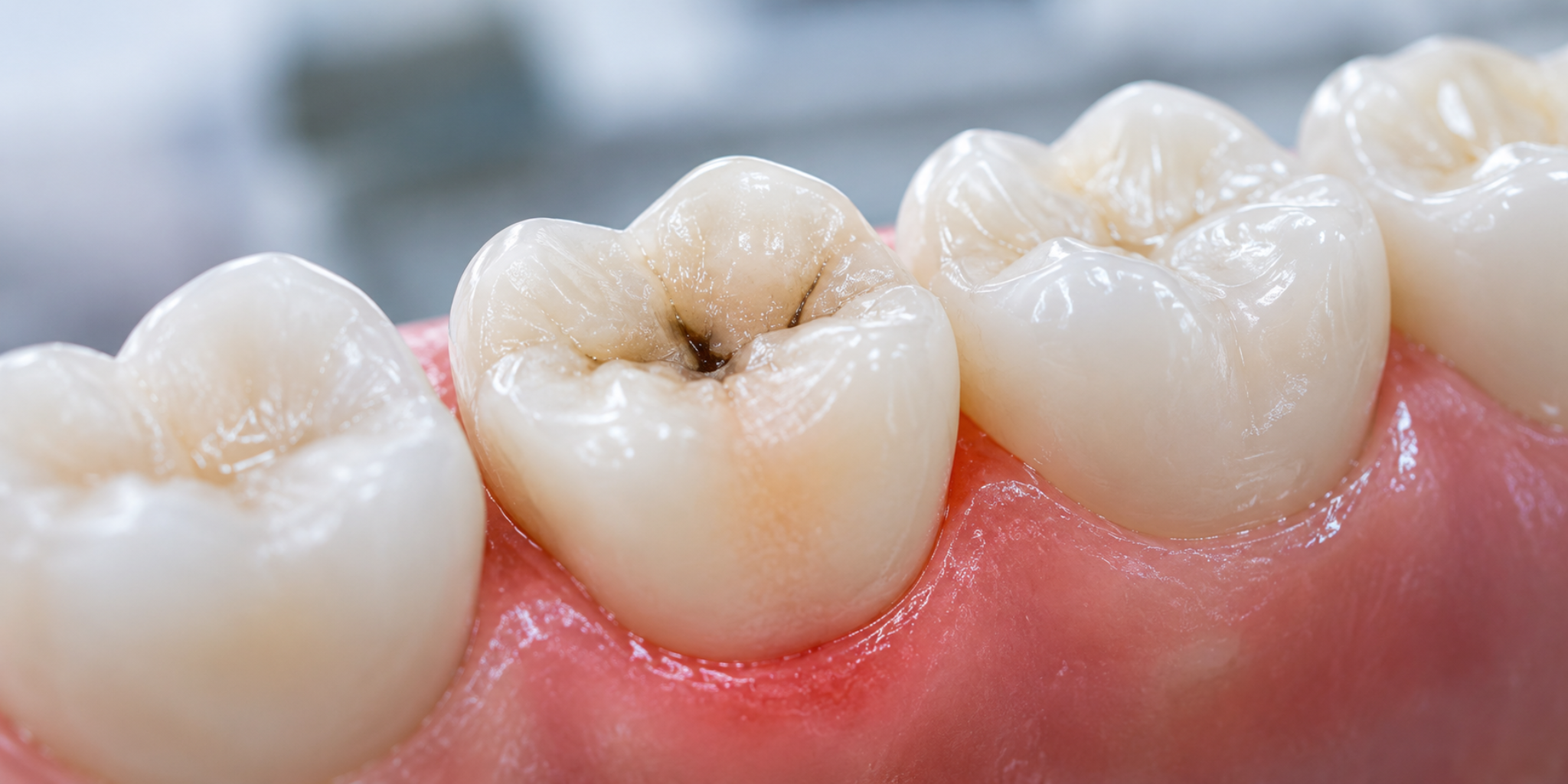
Dental problems do not always remain at the same level. Tooth decay, for example, can begin without symptoms and progress deeper into the tooth. If it is not addressed, it can eventually lead to pain, infection and more complicated treatment.
Similarly, gum disease can progress from inflammation to damage involving the tissues and bone supporting your teeth.
Early assessment does not mean that every problem will require treatment.
Sometimes I may simply recommend monitoring an area or improving your oral hygiene.
But if treatment is needed, identifying the problem earlier can give us more opportunity to manage it before it becomes more extensive.
The goal is not to treat every small change. The goal is to understand what is happening before it becomes a bigger problem.
You Don't Have to Wait for Pain
One of the most important things I tell my patients is this:
You do not need to have a dental problem to visit the dentist.
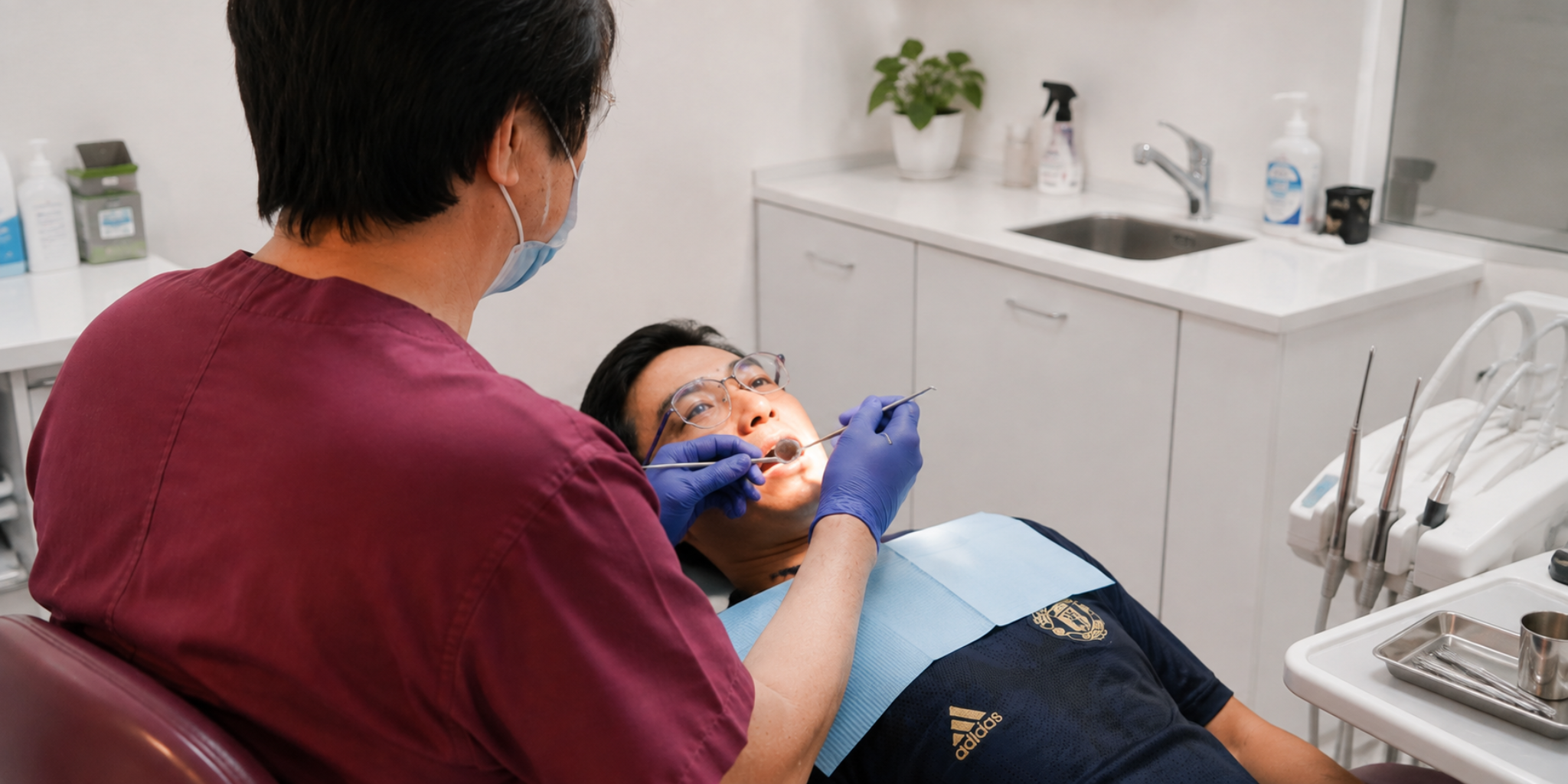
Regular dental examinations allow us to monitor your teeth and gums and identify problems that you may not notice yourself.
In Singapore, HealthHub specifically recommends regular dental visits because conditions such as tooth decay and gum disease may develop before noticeable symptoms appear. The appropriate frequency depends on your individual risk factors and oral health.
During a routine visit, we may:
- Check your teeth for signs of decay or damage
- Assess your gums
- Examine existing dental restorations
- Look for changes in your mouth
- Assess areas that may be difficult for you to see yourself
- Recommend X-rays or other investigations when appropriate
- Give you personalised advice about maintaining your oral health
Regular examinations are a little like servicing your car.
You could wait until the engine makes a terrible noise, but that is generally not the preferred strategy.
When Should You Seek Urgent Dental Care?
Some symptoms should not wait for a routine appointment.
Seek urgent dental attention if you experience severe tooth or mouth pain, significant swelling, uncontrolled bleeding, or a serious dental injury.
If swelling around your mouth, face or neck is making it difficult to breathe, swallow or speak, this requires emergency medical attention.
If you are unsure whether your symptoms are urgent, it is safer to have them assessed promptly.
Frequently Asked Questions
Yes. Early tooth decay often causes no symptoms. Pain and sensitivity may develop as the decay progresses deeper into the tooth.
This is one reason regular dental examinations are important.
Are bleeding gums normal?
Regular bleeding is not something I would consider normal. It can be a sign of gum inflammation or gum disease, although there can be other causes as well. If your gums bleed consistently, I recommend having them checked.
How often should I visit the dentist?
There is no single schedule that is right for everyone. Your dentist can recommend how often you should come based on your oral health, history and individual risk factors.
My tooth is chipped but does not hurt. Do I still need to see a dentist?
Yes, I recommend having it examined. A small chip may require little or no treatment, but an examination allows us to determine whether there is a deeper crack or other damage.
Do I need a dental check-up if my teeth feel completely fine?
Yes.
A lack of pain does not necessarily mean that everything is healthy. Some dental problems can develop before symptoms become obvious, which is why regular examinations are an important part of preventive dental care. This is not always true. Lemon juice, vinegar, baking soda mixtures, charcoal and other DIY methods can have limited evidence behind them, and some may be abrasive or irritating. Your teeth are not kitchen tiles. Please do not treat them like they are waiting for a cleaning hack from TikTok.
A Final Word from Dr. Lynn
I understand why many people wait until something hurts before visiting the dentist. Life gets busy, and if your teeth feel fine, a dental appointment can easily move down the list of priorities.
But I would encourage you to think about dental care differently.
The best time to address a dental problem is often before it becomes painful.
If you have persistent toothache, bleeding or swollen gums, sensitivity, bad breath, a loose tooth, a cracked tooth, or any other unusual change in your mouth, please do not simply hope it will go away.
And even when you have no symptoms, regular dental examinations allow us to monitor your oral health and identify problems that you may not notice yourself.
Early attention does not always mean more treatment. In many cases, it simply means giving us the opportunity to understand the problem sooner and decide what, if anything, needs to be done.
Your teeth are meant to serve you for many years, so looking after them should be part of your regular health routine.
Keep brushing, keep flossing, and take good care of your smile.
— Dr. Lynn, GH Goh Dental Surgery
Ready to Take the Next Step?
If you are experiencing any of the warning signs mentioned above, or if it has been some time since your last dental examination, we are here to help.
Book a consultation with GH Goh Dental Surgery for a professional assessment and personalised advice about your oral health.
📍 161 Bukit Merah Central, Singapore
📞 +65 6273 3133
💬 WhatsApp us to book your appointment
@gh.goh.dental